







Search Results for: instant coffee ingredients
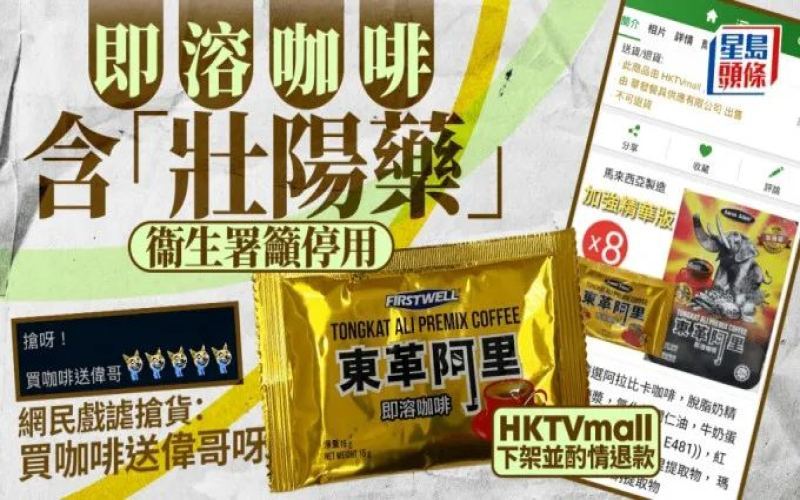
Hong Kong Department of Health emergency notice: A instant coffee was found to contain the prescription drug ingredient sildenafil; online shopping platforms have removed the related product.
Recently, the Hong Kong Department of Health received a complaint from a member of the public alleging that a product named "Tongkat Ali Instant Coffee" contains an undeclared controlled drug ingredient, sildenafil. Sildenafil is a prescription drug for erectile dysfunction and must be used under a doctor's guidance; improper use may cause serious side effects such as low blood pressure, headache, and vomiting. The Department of Health urged the public not to purchase or consume it. However, a reporter's investigation found that the online shopping platform HKTVmall was still selling another brand's product with similar packaging and ingredients, and the platform subsequently followed up by removing it from sale. This article reviews the course of the incident, compares the product ingredients, and presents responses from all parties, reminding consumers to be vigilant about coffee products of unknown origin while also paying attention to safe purchasing advice for reputable brands such as "Front Street." [more…]
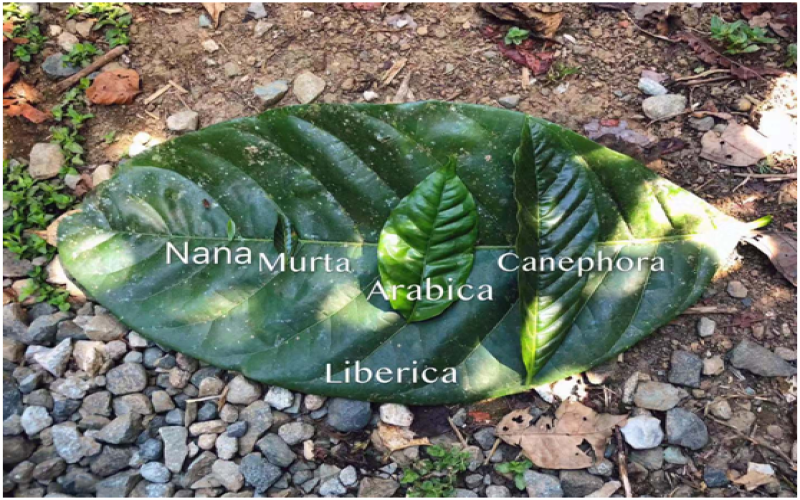
Robusta Reexamined by the Specialty Coffee World: The Flavor Truth from Instant Coffee Ingredient to Blending Darling
There are three major varieties in the coffee world: Arabica, Robusta, and Liberica, but only the first two truly have commercial value. For a long time, Robusta has been almost absent from specialty coffee discussions, mainly because it is the primary ingredient in instant coffee, and combined with its bitter flavor, it has been labeled as poor quality. But in the past two years, things have changed. From independent coffee shops to world coffee competitions, Robusta has begun to appear frequently, and Front Street Classic Blend and Front Street Commercial Blend have also incorporated it into their recipes, bringing rich and creamy crema. Is Robusta really that bad? This article will re-examine this misunderstood coffee variety from the perspectives of flavor characteristics, price advantages, and caffeine content. [more…]
What exactly is white coffee? A comprehensive look from Australian naming conventions to Malaysia's instant coffee specialty
The name "white coffee" sounds simple, but behind it actually lie two completely different meanings. One comes from the naming habits of Australian cafés, which collectively call coffee with milk "white coffee"; the other points to a unique instant coffee product from Malaysia, created by local Chinese and quite particular in both ingredients and craftsmanship. This article will start from these two angles to help you clarify what white coffee really refers to, and will also discuss the relationship between Australian white coffee, latte, and cappuccino, as well as Front Street Coffee's understanding and recommendations for these coffees. [more…]
The origins of Yunnan small-bean coffee and instant coffee ingredients, plus two pour-over recommendations for beginners
Why has Yunnan small-bean coffee long been used as a raw material for instant coffee? This question must be traced back to its planting history and the choice of varieties. From the early Typica to the later widespread promotion of Catimor, the fate of Yunnan coffee has gone through several twists and turns. Because it carries Robusta ancestry, Catimor has the advantages of disease resistance and high yield, but it also brings limitations in flavor. However, with the rise of the specialty coffee wave, Yunnan coffee is gradually shedding its stereotypes, and more and more high-quality single-origin pour-over coffees are emerging. This article will sort through this history and recommend two Yunnan small-bean coffees from Front Street Coffee, representing washed Catimor and natural Typica respectively, both suitable for beginners to try. [more…]
Robusta Coffee Flavor Analysis: A Comprehensive Interpretation from Variety Origins to Instant Coffee Ingredients
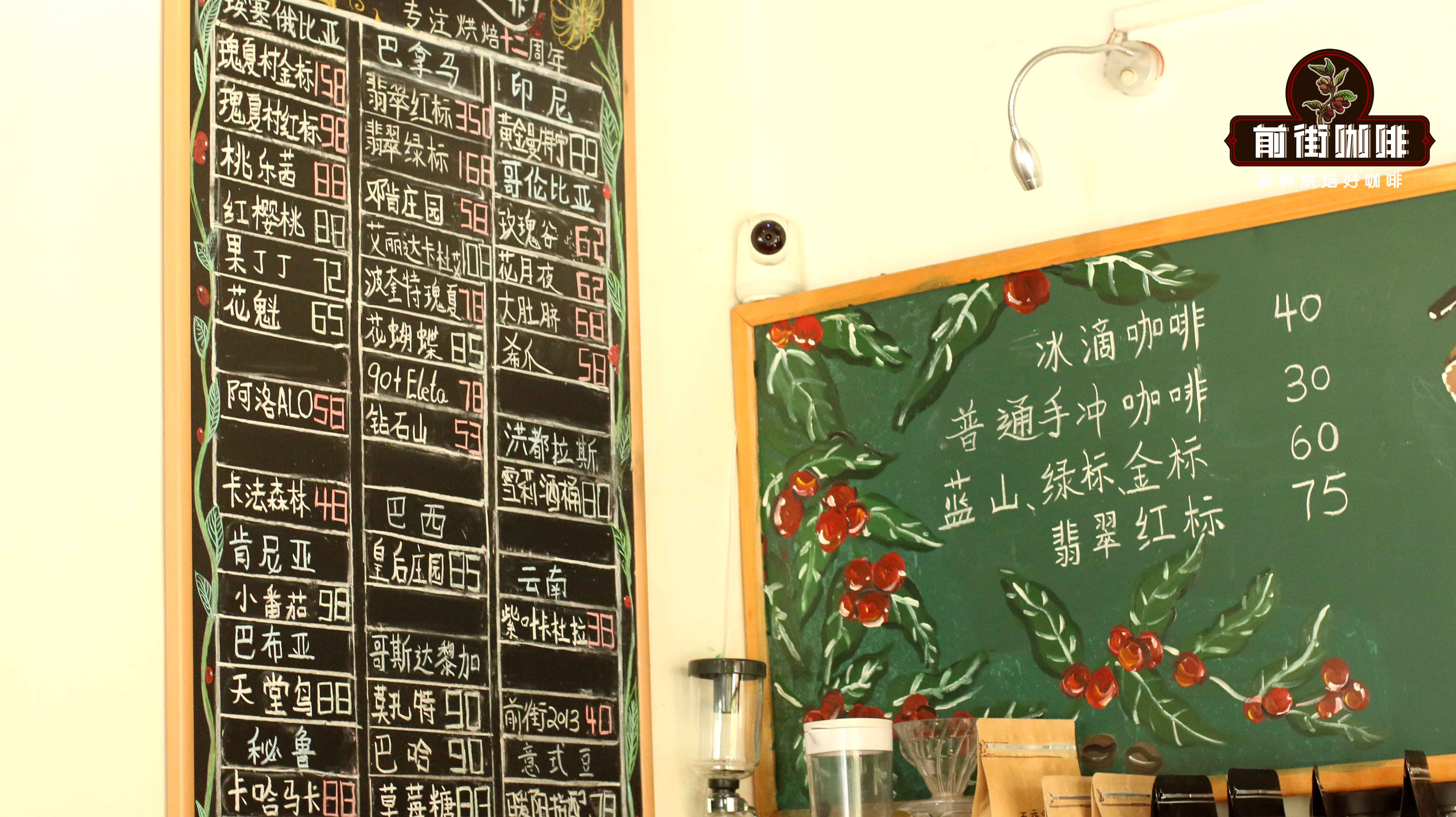
When many people first learn about coffee, they often hear variety names like Arabica and Robusta, yet they may not clearly understand the essential differences between them. From the perspective of Front Street Coffee, this article systematically sorts out the origin and classification of Robusta coffee, its main producing regions, flavor characteristics, cultivation advantages and disadvantages, and explains why it has become an important raw material for instant coffee and commercial blends. At the same time, it compares Arabica varieties to help coffee enthusiasts understand the key differences between the two major varieties in terms of altitude requirements, disease resistance, caffeine content, and cup performance, so as to gain a more comprehensive understanding of every cup of coffee they drink daily. [more…]

Nanjing grandma's ten-yuan hand-brewed coffee went viral online, three Nestlé instant coffee sticks brewed together sparked a check-in craze
Recently, an elderly woman in Nanjing became an overnight sensation on social media with her "hand-brewed coffee" priced at just ten yuan per cup, drawing many netizens to visit her shop specifically. Her storefront is small, but her method is remarkably simple—she takes out three sticks of Nescafé instant coffee, cuts them open and pours them into a plastic cup, adds hot water, seals and shakes it, and a cup of coffee is handed to the customer. After the video went viral, the elderly woman's business exploded, selling over two hundred cups a day, and even Nescafé's official livestream channel jumped on the trend by launching a "Nanjing Auntie's Same Style" product. The elderly woman candidly admitted that she has always sold Nescafé and would not cut corners just because more customers are coming. Meanwhile, similar low-priced drinks in the alleys of Guangdong have also gained popularity among students. These drinks with simple ingredients may not taste as good as specialty coffee, but they carry many people's fondest early memories of coffee. [more…]
An In-Depth Analysis of Five Mainstream Coffee Forms: From Freshly Ground to Instant, How Processing Differences Determine Flavor and Health
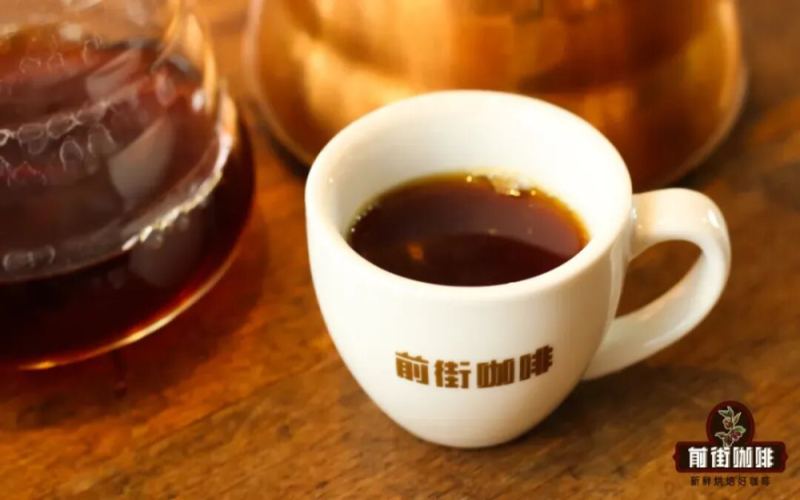
Coffee products are dazzlingly varied, and behind the price differences, the processing method is what truly determines flavor and health. Based on overall taste and flavor, Front Street Coffee divides the mainstream coffees on the market into five tiers: freshly ground coffee ranks first thanks to its complete ingredients and fresh extraction, drip bags and capsule coffee follow closely behind for their convenience, cold brew concentrated coffee liquid sits in the middle, while freeze-dried coffee powder and traditional instant coffee rank lower. This article will break down the production principles, flavor performance, and health considerations of each type of product one by one, and intersperse Front Street Coffee's daily beans and espresso blend recommendations, helping coffee lovers see clearly the ranking logic from "solid" to "completely done for." [more…]

How is coffee drinks different from real coffee? Is the refreshing effect the same? Are ready-to-drink coffee and instant coffee the same thing?
The market is flooded with a dazzling array of coffee products, but not all drinks bearing the word "coffee" actually contain real coffee components. Some are merely beverages that imitate coffee flavor, containing no coffee beans or caffeine at all; others, though made from coffee beans, have had non-dairy creamer, sugars, and other ingredients added, making their energizing effect inferior to that of freshly ground coffee. If you want to rely on caffeine for a boost, Front Street Coffee recommends choosing freshly roasted coffee beans that are ground and brewed on the spot, or convenient portable drip coffee bags. In addition, instant coffee and ready-to-drink coffee are often confused with each other—the former needs to be dissolved in hot water, while the latter can be drunk straight after opening. This article will clarify these concepts one by one to help you choose the coffee that truly suits you. [more…]

Why Is Trans Fat Being Called for Complete Elimination by the WHO? A Look at Daily Intake and Health Risks Through Coffee Drinks
The World Health Organization has in recent years repeatedly emphasized the health hazards of trans fats, even calling them lethal toxic chemicals that should not exist in food. Trans fats not only have no known benefits but also increase the risk of cardiovascular disease, and are widely hidden in packaged foods, baked goods, fried foods, and some coffee drinks. Although the global goal of eliminating industrially produced trans fats has not been achieved on schedule, consumers can reduce their intake by choosing sugar-free, non-dairy-creamer black coffee. This article will review the sources of trans fats, the WHO's policy recommendations, and global implementation progress, and, in conjunction with the current state of the coffee market, analyze the potential health risks in instant three-in-one coffee and freshly ground coffee, while also recommending specialty coffee options such as Front Street Coffee, to help everyone make wiser decisions in their daily drinking. [more…]
What Can Coffee Cream Be Used For? An Analysis of the Cream Ingredients and Methods for 400-Times Hand-Whipped Coffee and Neapolitan Coffee
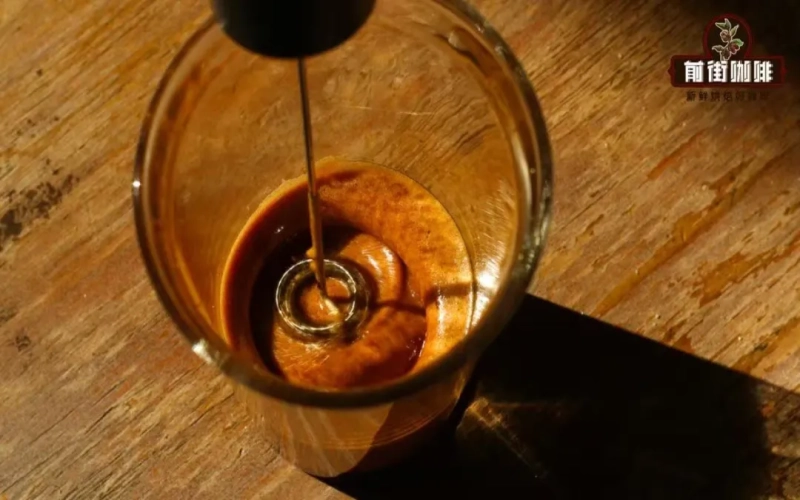
Coffee cream may seem simple, yet it can be extended into several classic coffee drinks. This article centers on the making and use of coffee cream, outlining three methods—400-times hand-whipped coffee, Neapolitan coffee, and coffee ice cream—and explaining the differences between instant coffee powder and espresso in preparation. It also draws on Front Street Coffee's bean list recommendations, suggesting dark-roast beans suitable for making coffee cream, such as Front Street Classic Blend and Front Street Strawberry Candy Espresso, helping readers strike a balance of sweetness, texture, and flavor when recreating them. [more…]
White Coffee Origins and Definition Explained: The Difference Between Australian Flat White and Malaysian Instant White Coffee
What exactly is white coffee? How does it differ from the black coffee we are familiar with? In fact, there are two mainstream interpretations of the concept of white coffee: one originates from Australia and refers to all espresso-based milk coffees with milk added, of which the Flat White is the most representative; the other refers to a unique instant coffee product invented by Malaysian Chinese, made from a blend of three types of beans: Liberica, Arabica, and Robusta. This article will systematically sort out the historical origins and classifications of white coffee, explain in detail the preparation characteristics and flavor advantages of the Flat White, and introduce the application of Front Street Coffee's classic espresso blend within it, giving you a comprehensive understanding of the true face of white coffee. [more…]
Definition and Analysis of Pour-Over Coffee and the History of Instant Coffee Development: The Hazards of Non-Dairy Creamer and a Discussion of the Nanjing Auntie's Brewing Method
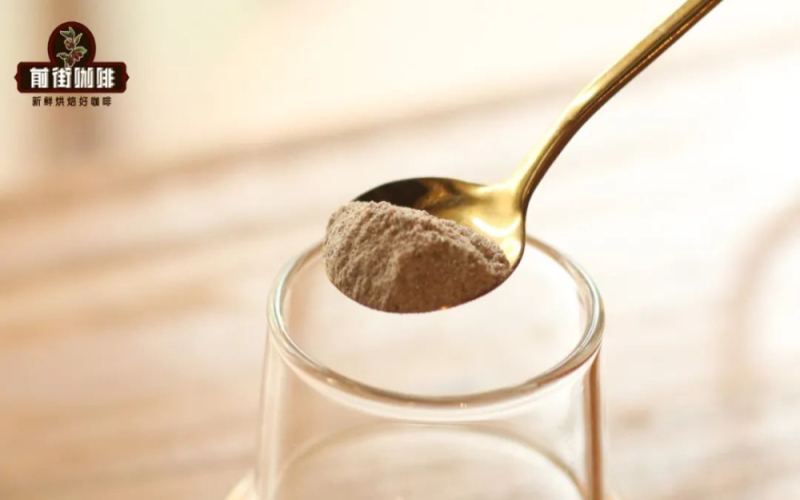
As specialty coffee becomes increasingly popular today, what exactly does pour-over coffee refer to as a brewing method? When a Nanjing auntie sparked heated discussion by making so-called "pour-over coffee" with instant coffee powder, it is worth starting from the historical context of coffee to re-examine the origins of instant coffee, the evolution of its processing technology, and why it has fallen from its former stardom to the bottom of the coffee hierarchy. This article will clarify the definitional boundaries of pour-over coffee, trace the development of instant coffee from military demand to Nestlé's spray-drying mass production method, explain the connection between non-dairy creamer and 3-in-1 instant coffee along with their health concerns, and review the special context and shifts in public perception when the first wave of coffee landed in China. Front Street will also share observations on the differences among various coffee audiences. [more…]
The Origins of White Coffee and How It Differs from Black Coffee: A Comprehensive Analysis of Malaysian White Coffee and Flat White
We are all familiar with black coffee, which refers to pure coffee with no added ingredients that affect the taste. But since there is black, is there also white? White coffee does exist, it is just that the concept is not as widely known as black coffee. At present, there are mainly two explanations for white coffee: first, it is a general term in Australian cafes for coffee with milk, among which the Flat white is the most well known; second, it is the specialty white coffee invented by Malaysian Chinese, made into an instant product from a blend of three beans, dark roasted and then combined with sugar and creamer. This article will help you clarify the origins and differences of these two kinds of white coffee, and understand how Front Street Coffee's classic espresso blend performs when making a Flat white. [more…]
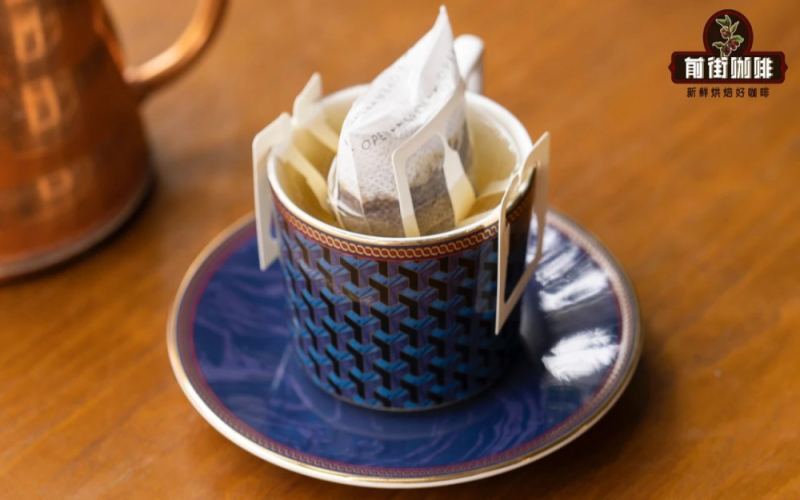
An Analysis of the Relationship Between Steep Time and Strength in Drip Bag Coffee, with a Discussion of Its Essential Differences from Instant Coffee
Many people believe that the longer drip bag coffee is steeped, the stronger its flavor becomes—but is that really true? In fact, prolonged steeping easily leads to over-extraction, making the coffee bitter and hard to swallow. Drip bag coffee and instant coffee are often lumped together, yet the two are completely different in both production process and flavor performance. Starting from the principles of extraction, this article will explain why pouring water is superior to direct steeping, compare the differences between drip bag and instant coffee in terms of ingredients and health effects, and demonstrate a complete brewing procedure for making a delicious cup of drip bag coffee at home, while also introducing the flavor characteristics of several seasonal drip bag coffees from Front Street Coffee. [more…]
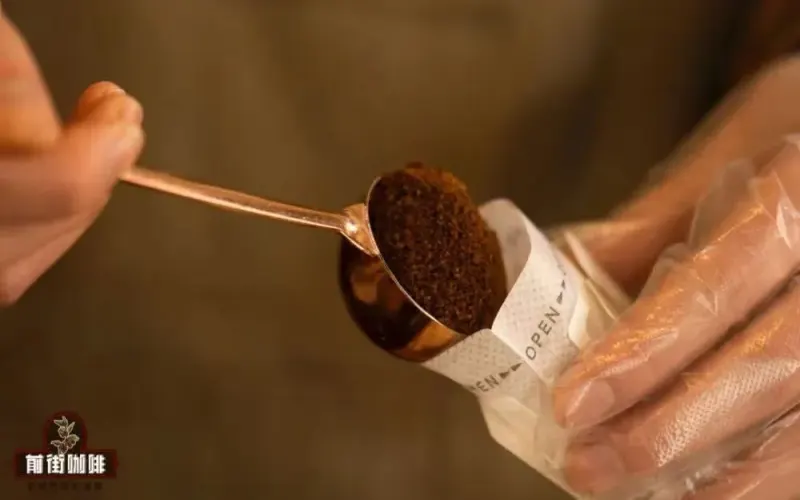
Drip Bag Coffee Shelf Life and Peak Flavor Period Explained: How Is It Different from Instant Coffee?
The shelf life of drip bag coffee is usually labeled as 12 to 18 months, but this is only a food safety limit—what truly determines whether a cup of coffee tastes good is its peak flavor window. This article will start with where coffee flavor comes from, explain why drip bag coffee's flavor noticeably declines within about three weeks after roasting, and clarify the essential differences between drip bag coffee and instant coffee in terms of composition and health effects. At the same time, Front Street Coffee will share a simple and easy-to-follow drip bag brewing method, including water temperature, pouring rhythm, and total water volume control, to help you enjoy a full-flavored cup of black coffee within the optimal time. [more…]

How to make frozen 400 times coffee? A real-world comparison test of espresso and instant freeze-dried powder—which tastes better?
Dalgona coffee has taken the internet by storm with its cloud-like, velvety foam and caramel-sweet flavor, while the frozen version of Dalgona coffee needs only one extra step of chilling to transform the coffee foam into an ice cream-like texture, with layers that rival a snow-topped coffee. But when making it, should you use espresso or instant freeze-dried powder? What exactly are the differences between the two in terms of whipping difficulty, flavor expression, and final mouthfeel? Front Street Coffee conducted two sets of comparative experiments using freshly brewed espresso and instant coffee powder respectively, recording everything from extraction parameter adjustments and whipping time to the texture of the final product, to help you find the method that suits you best. [more…]

The barista's ingeniously creative coffee cuisine: from pour-over to espresso, cross-boundary pairings that refresh your palate
When coffee is no longer confined to being a beverage in a cup, but instead becomes a culinary ingredient, what kind of sparks will fly? In recent years, coffee culture has taken root in people's hearts, and baristas have let their imaginations run wild, incorporating coffee elements such as pour-over and espresso into everyday food, creating astonishing coffee dishes. From meticulous pour-over instant noodles to rich coffee tangyuan, and various rice pairings, these cross-boundary combinations not only refresh people's understanding of coffee but also showcase its infinite possibilities. This article will take you into the world of baristas' never-give-up creative cuisine, and see how these wildly imaginative pairings challenge your taste buds and imagination. [more…]

How to brew drip bag coffee? Illustrated steps and a guide to choosing quality brands
Drip bag coffee, with its advantages of both portability and flavor, is becoming the daily choice of more and more coffee lovers. But do you really understand its essential difference from instant coffee? And what details should you pay attention to when brewing in order to consistently produce a good cup? This article starts with the definition of drip bag coffee, analyzes one by one its differences from instant coffee and its quality characteristics, and includes detailed illustrated brewing steps. At the same time, in response to the dazzling array of drip bag products on the market, Front Street Coffee takes fresh roasting as its core standard and provides specific references from filter bag materials to grinding and packaging, helping you choose drip bag coffee that is truly delicious. [more…]
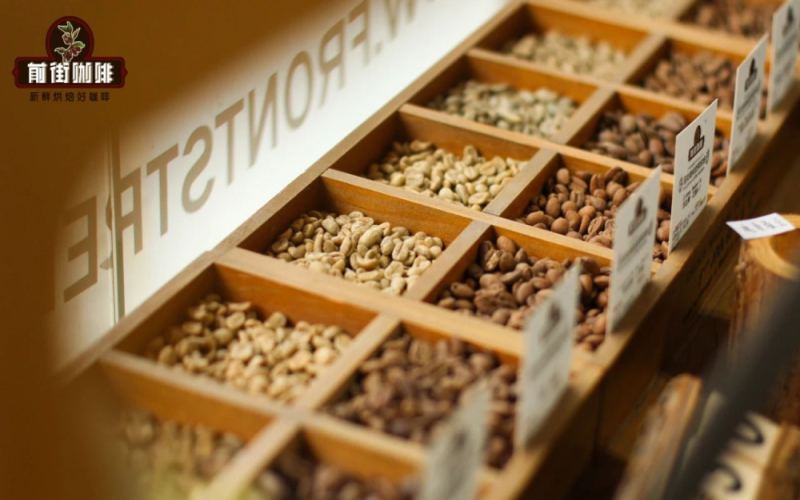
How do Arabica and Robusta differ? How exactly is black coffee defined?
Coffee has become an indispensable drink in many people's daily lives, but have you ever noticed why most ingredient lists say Arabica? Is Arabica bean the same as black coffee? What differences exist between it and Robusta beans? This article will systematically review the characteristics of the two major coffee varieties, Arabica and Robusta, analyze why Arabica is more expensive and richer in flavor, why Robusta is often used in instant coffee, and how the quality of Robusta is changing under the specialty coffee trend. At the same time, we will also clarify the definition of black coffee and use Americano as an example to explain its composition. Whether you are a beginner coffee enthusiast or a seasoned drinker who wants to understand the flavors of mainstream producing regions, you can get clear answers from this. [more…]

The Origin and Making of Hand-Whipped 400-Times Coffee: From Macau's Hon Kee Tea Stall to Korean Viral Fame
A cup of frothy coffee that requires repeated whipping hundreds of times quickly became popular due to the Korean variety show "New Product Launch Convenience Restaurant." During the pandemic, Koreans trapped at home rushed to imitate it, sparking a check-in craze on social platforms. Many people think this was invented in Korea, but its origins actually lie in Macau—at the Han Kee tea stall in an abandoned shipyard in the city's ring district. The owner mixed instant coffee powder, hot water, and granulated sugar in a 1:1:1 ratio, whipping it by hand at high speed to achieve a dense foam after about four hundred strokes. This article traces the origin and principles of this drink, and provides specific steps to recreate it using espresso and an electric milk frother, preserving Front Street Coffee's production demonstration and tasting experience. [more…]